
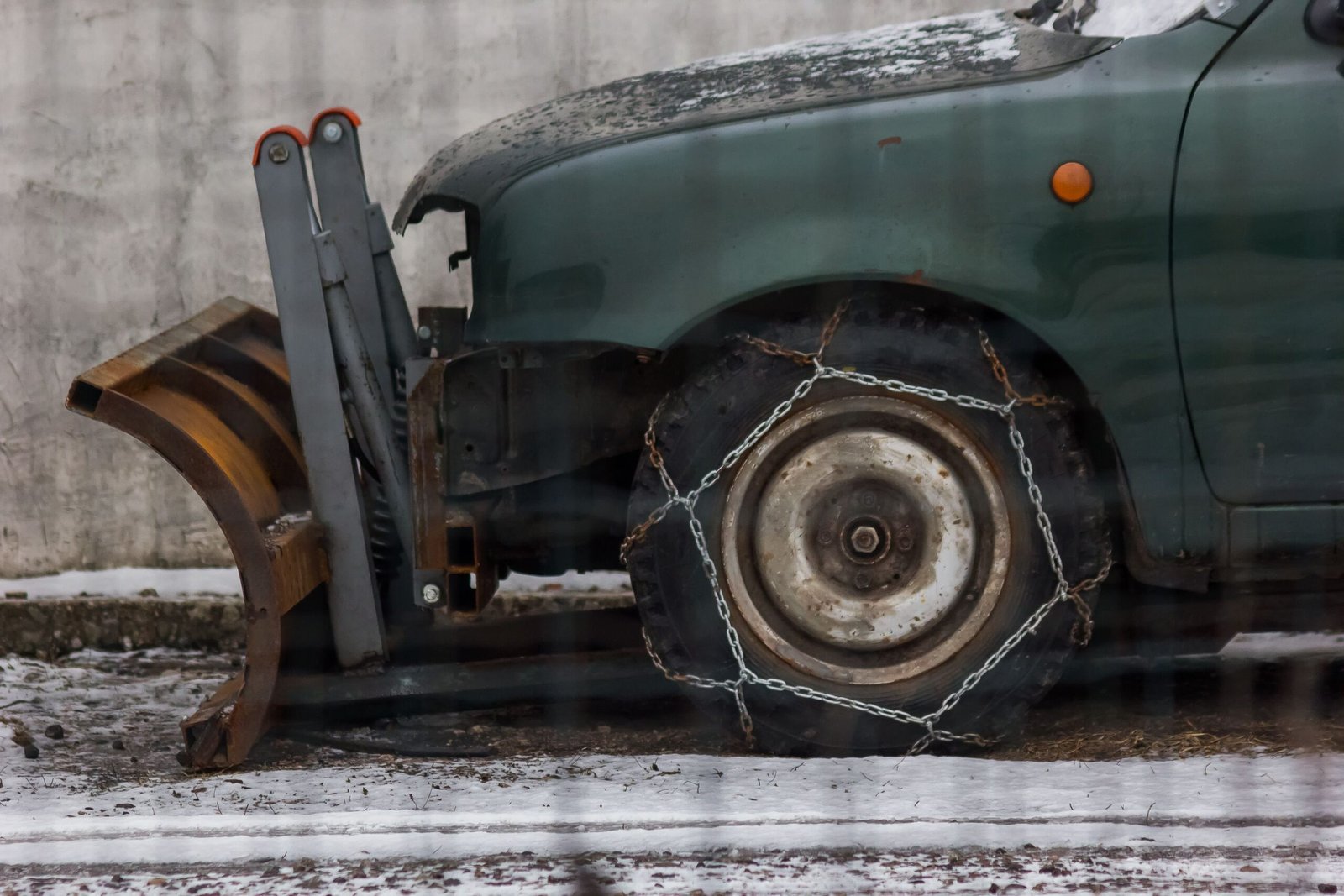
By February most vehicles in this city look the same. White crust along the rocker panels, grey film across the paint and salt rings dried into the driver side carpet. It happens to everyone, but leaving it there is what causes lasting damage. Salt keeps working as long as it sits on a surface, and the way you remove it matters just as much as how often.
Why Salt Does So Much Damage
Environment and Climate Change Canada estimates that roughly five million tonnes of road salt are spread across Canadian roads each winter. Ottawa uses both rock salt and liquid brine, and brine is the harder of the two to remove because it sticks to surfaces and dries into a film.
That film draws moisture from the air. On paint it sits against the clear coat. Inside panel gaps and around wheel arches it holds water against bare metal. In carpets it soaks into the fibres and dries into stiff white patches that vacuuming will never lift.
Removing Winter Grime From Paint the Safe Way
The wrong technique here creates more damage than the salt did.
Rinse Before You Touch Anything
Never wipe a dirty winter panel. The grit sitting on the surface acts like sandpaper. Rinse thoroughly first, ideally with a pressure washer or a strong hose, and spend extra time on the lower panels and wheel arches where salt collects heaviest.
Use a Proper Snow Foam or Pre Soak
A foam soak loosens road film before any contact. Let it sit for several minutes so it can break down the salt bond, then rinse again. This one step removes a large share of the grime before your wash mitt ever touches the car.
Wash With Two Buckets
One bucket holds soapy water, the other holds clean rinse water for your mitt. Every time you finish a panel, rinse the mitt in the clean bucket before going back into the soap. This keeps grit out of the soap and off your paint.
Use pH neutral car soap. Dish soap strips whatever protection is left on the finish.
Do Not Forget the Underbody
Salt collects underneath where you cannot see it. Most car washes in Ottawa offer an underbody rinse, and through winter it is worth adding every single time.
Avoid Brush Washes Completely
Those spinning brushes carry grit from every vehicle ahead of you. They are the fastest way to fill your paint with swirl marks. Touchless bays are the safer option when home washing is not practical.
Removing Salt Stains From Carpets and Mats
Interior salt is more stubborn than most people expect.
Start with a thorough vacuum to lift loose salt crystals. Then mix warm water with a small amount of white vinegar, roughly one part vinegar to three parts water, and lightly mist the stained area. Vinegar breaks down the salt residue rather than just diluting it.
Agitate gently with a soft brush, then blot with a clean microfibre towel. Repeat if the white ring returns as the carpet dries, which is common on heavy stains. Let the vehicle dry fully with windows cracked or a fan running, because trapped moisture creates odours.
For deep stains, hot water extraction is the only method that genuinely works. It flushes the fibres and pulls the salt out rather than pushing it deeper, which is why professional interior detailing handles these cases far better than home cleaning.
Protecting Surfaces So It Stops Happening
Removal is only half the job. Protection stops the cycle repeating.
- Swap carpet mats for rubber ones from October through April
- Apply fabric protectant so salt water beads instead of soaking in
- Keep a ceramic coating or sealant on the paint so salt film rinses off easily
- Treat door seals with a rubber conditioner so they do not freeze and tear
- Wipe salt off door sills before it dries into the paint edges
A coated vehicle is dramatically easier to clean through winter. Salt sits on the surface instead of bonding into the clear coat, which turns a scrubbing session into a rinse. Our ceramic coatings are applied with this exact problem in mind.
Common Mistakes That Make Things Worse
A few habits do real harm.
Washing in freezing temperatures without drying properly leaves water in door seals and locks.
Using hot water on frozen glass can crack it. Scrubbing dry salt off paint grinds it in. Steam cleaning leather without conditioning afterwards dries the surface. Letting salt sit on carpets until spring sets the stain permanently.
When to Hand It Over
Some situations are beyond a driveway wash. If the carpets have hardened white patches, if the paint feels rough to the touch, or if you can see salt residue in seams and around badges, professional decontamination is the better call.
A proper service includes chemical decontamination, clay treatment and extraction that home methods cannot match.
Frequently Asked Questions
How often should I wash my car in winter?
Every two to three weeks with an underbody rinse. Salt causes damage while it sits, so consistency matters more than technique.
Does vinegar really remove salt stains from carpet?
Yes for light stains. It dissolves the salt residue rather than just wetting it. Heavy stains need hot water extraction.
Is it bad to wash a car below freezing?
It is fine if you dry the vehicle properly and treat door seals. Water left in locks and seals causes the real problems.
Can salt damage be reversed on paint?
Surface staining and etching can often be polished out. Rust that has already started under a chip needs bodywork.
Do you handle interior car cleaning in Ottawa?
Yes. The Fine Details offers full interior extraction and protection for drivers across Ottawa and surrounding communities.
What protects best against salt?
A ceramic coating on the paint and fabric protectant inside are the two that make the biggest difference.
Tired of Fighting Salt Every February?
Ottawa winters can leave your vehicle covered in salt, road grime, and stubborn buildup that regular washing may not fully remove.
The Fine Details offers professional auto detailing to deep clean your vehicle and protect it from the harsh conditions of winter. Our services include thorough decontamination, interior extraction, and protective treatments for both the exterior and interior.
We’ll assess your vehicle and recommend the right combination of services based on its condition and what it actually needs. Contact us today and get your vehicle properly cleaned, refreshed, and ready for the road.