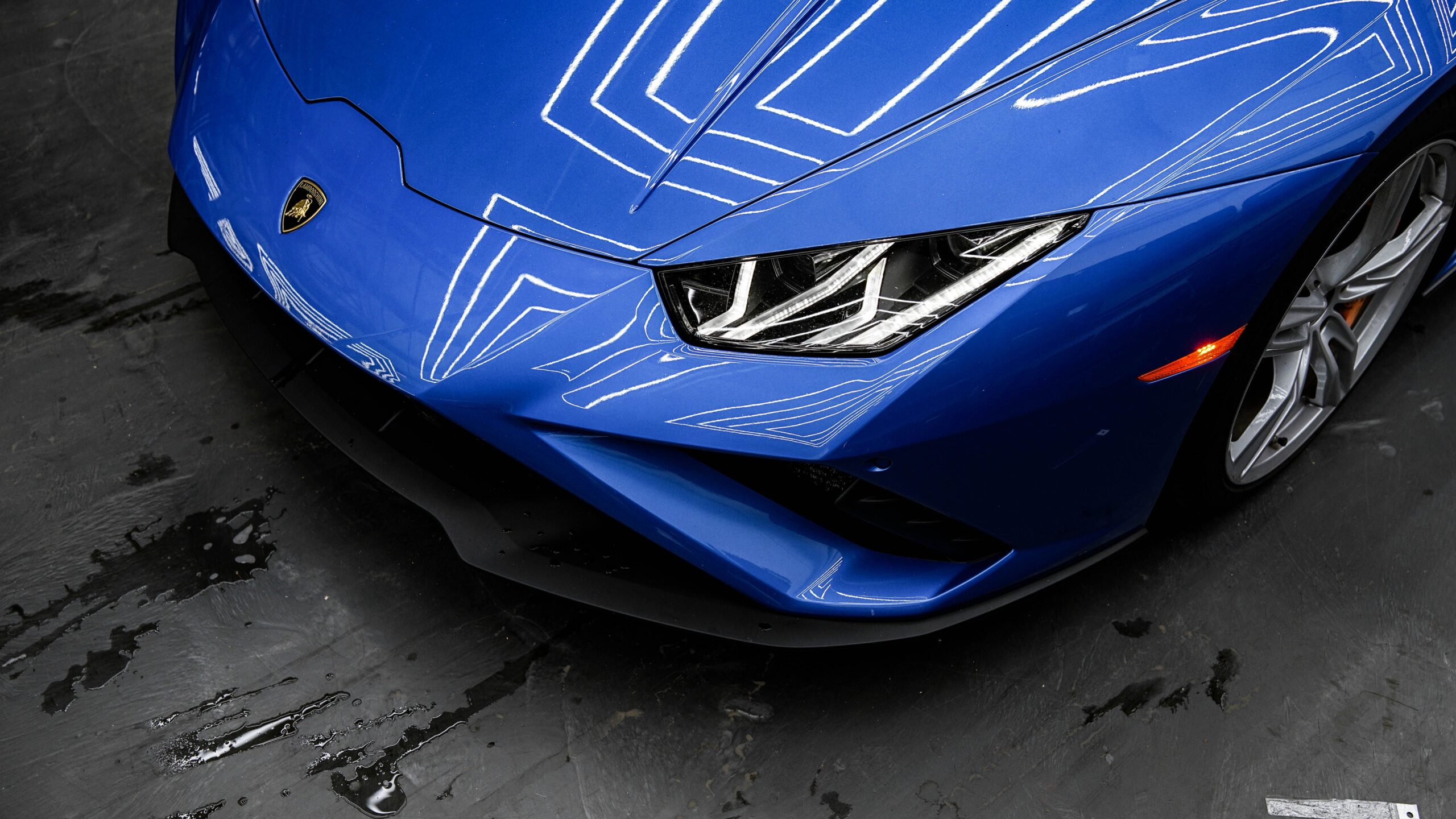

Most people assume faded paint means the car is simply getting old. In the majority of cases that is wrong.
What looks like dull paint is usually thousands of microscopic scratches scattering light instead of reflecting it. Remove those scratches and the colour comes back. That is exactly what paint correction does, and the difference on a five year old vehicle can be dramatic.
Why Paint Loses Its Shine
Damage builds up slowly, so owners rarely notice until they park beside a freshly polished car.
The usual causes include automatic car washes with spinning brushes, drying with rough towels, washing in circles with a single bucket, road grit dragged across panels and months of sun exposure. Each event leaves shallow marks in the clear coat. Together they create the hazy look you see under direct sunlight.
Ottawa adds its own problems. Salt spray, sand from winter roads and industrial fallout embed into the clear coat and leave the surface feeling rough rather than smooth.
What Paint Correction Involves
Correction is a multi step process, not a single polish.
Wash and Decontamination
The vehicle gets a thorough wash, then chemical decontamination for iron particles and tar. Next comes mechanical decontamination using detailing clay or clay bars. Running clay across the panel lifts bonded contamination that washing cannot touch. If you have ever run your hand over paint and felt tiny bumps, that is what car clay bars remove.
Paint Inspection and Measurement
A good detailer measures clear coat thickness before touching a machine polisher. The clear coat is thin, often around 40 to 60 micrometers on modern vehicles. Knowing the number prevents over-polishing.
Machine Polishing
This is where the transformation happens. Using a machine polisher with compounds and pads, a thin layer of clear coat is levelled so scratches disappear rather than being filled in. Car polishing done properly removes defects permanently.
Refinement and Protection
A finer polish follows to remove any haze left by the compound. The surface is then wiped down and sealed with a coating, sealant or wax so the results last.
Single Stage Versus Multi Stage Correction
Choosing the right level depends on how much damage exists.
Single stage correction uses one compounding and polishing step. It removes roughly 60 to 80 percent of light swirls and works well on newer cars or vehicles that have been reasonably well cared for. Expect $500 to $900 in Ottawa depending on size.
Multi stage correction uses two or three steps with progressively finer products. It targets 85 to 95 percent defect removal and handles deeper scratches, oxidation and heavy swirl patterns. This usually runs $900 to $1,800 and sometimes more for large or badly neglected vehicles.
Nobody promises 100 percent. Removing every last defect would take too much clear coat and put the paint at risk.
Which Cars Benefit Most From The Paint Correction Services
Some vehicles show a bigger change than others.
Black, dark grey and navy paint show swirls most clearly, so the improvement is striking. Red paint that has oxidized often regains depth. Older vehicles with chalky or faded finishes can look years newer. Even white cars gain noticeable sharpness in reflections, though the swirls were less visible to start with.
If you are selling a vehicle, correction is one of the cheapest ways to raise perceived value. Buyers judge condition on paint before anything else.
Why Correction Comes Before Any Coating
This part matters more than most owners realise.
Ceramic coating locks in whatever the paint looks like on the day it is applied. Coat a swirled car and you preserve those swirls for the next three to five years. Correcting first means the protection goes over a clean, level surface.
That is why our ceramic coating packages include correction as standard rather than as an upsell. Skipping the step saves money once and costs far more later.
How to Keep the Results
Correction removes a clear coat, so you only want to do it every few years, not annually.
Protect the finish with a coating or sealant right after. Wash using two buckets and a clean microfitting wash mitt.
Dry with a plush microfibre towel or a filtered blower rather than a chamois. Avoid driving through brush washes completely. Book a maintenance detail once or twice a year to keep contamination from building up again.
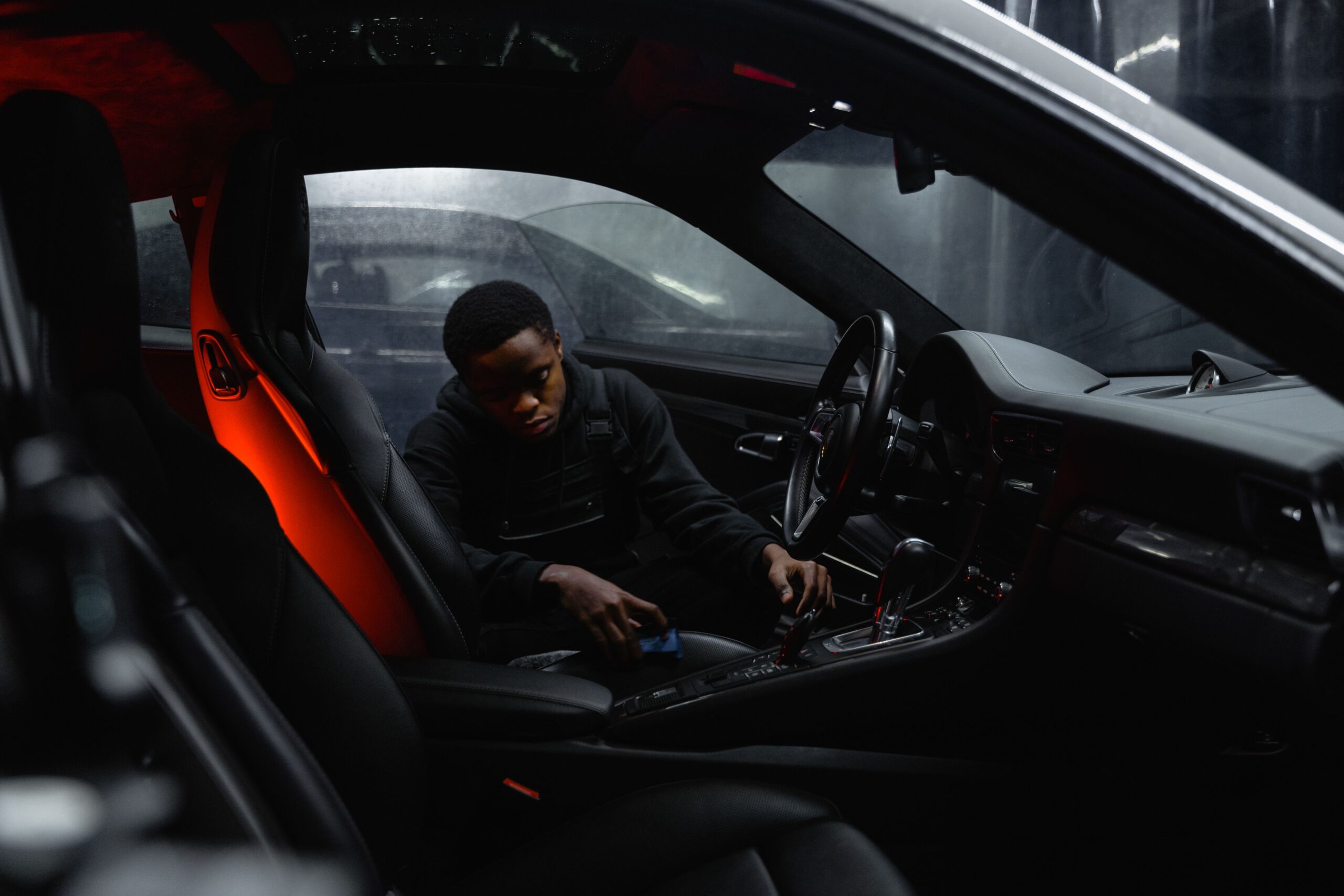
Following that routine means the gloss you paid for is still there three winters from now. Many drivers combine correction with a full auto detailing service so the interior matches the outside.
Frequently Asked Questions
How long does paint correction take?
Single stage work usually takes one full day. Multi stage correction on a larger vehicle can take two to three days.
Will correction remove every scratch?
No. Anything you can feel with a fingernail has gone through the clear coat and needs touch up paint or refinishing instead.
Is paint correction safe for my clear coat?
Yes when done by trained technicians who measure thickness first. The Fine Details checks paint depth on every panel before polishing begins.
How often can a car be corrected?
Most vehicles handle two or three full corrections in their lifetime. Protecting the paint afterwards reduces how often it is needed.
Does a wax or polish from a car wash do the same thing?
No. Those products fill defects temporarily and wash away within weeks. Correction removes the defects.
Should I correct the paint before selling my car?
It is one of the highest return preparation steps you can take, since buyers judge condition by the finish.
What does paint correction cost in Ottawa?
Most jobs fall between $500 and $1,800 depending on vehicle size and how much damage needs removing.
Wondering What Your Paint Would Look Like Corrected?
Most owners are surprised by how much colour and clarity are hiding beneath years of haze and imperfections. The Fine Details provides professional paint correction in Ottawa, starting with paint depth testing and thorough decontamination.
We carefully assess your finish before recommending the right correction approach for your vehicle. You’ll get honest advice about what your paint can safely handle and what results are realistically possible. Book an inspection today and get a clear, straightforward recommendation for your vehicle.